How To Install Python Libraries#
Introduction#
Hopsworks comes with several prepackaged Python environments that contain libraries for data engineering, machine learning, and more general data science use-cases. Hopsworks also offers the ability to install additional packages from various sources, such as using the pip package manager and public or private git repository.
In this guide, you will learn how to install Python packages using these different options.
- PyPi, using pip package manager
- Packages contained in .whl format
- A public or private git repository
- A requirements.txt file to install multiple libraries at the same time using pip
- npm packages, installed globally in the environment image and on
PATHfor jobs, Jupyter and the terminal
Conda, .egg and environment.yml installs have been removed
Installing from a conda channel, from an .egg distribution, or by importing an environment.yml file is no longer supported and is refused with an error naming the sources you can use instead. The base environments are built on a virtualenv that does not carry conda, so there is nothing for such an install to run.
Removing a package is not affected. An environment created before this change can still carry conda-sourced packages, and uninstalling those keeps working, so an upgraded environment does not strand packages you can no longer remove.
Notice
If your libraries require installing some extra OS-Level packages, refer to the guide custom commands guide on how to install OS-Level packages.
Prerequisites#
In order to install a custom dependency one of the base environments must first be cloned, follow this guide for that.
Step 1: Go to environments page#
Under the Project settings section select the Python environment setting.
Step 2: Select a CUSTOM environment#
Select the environment that you have previously cloned and want to modify.
Step 3: Installation options#
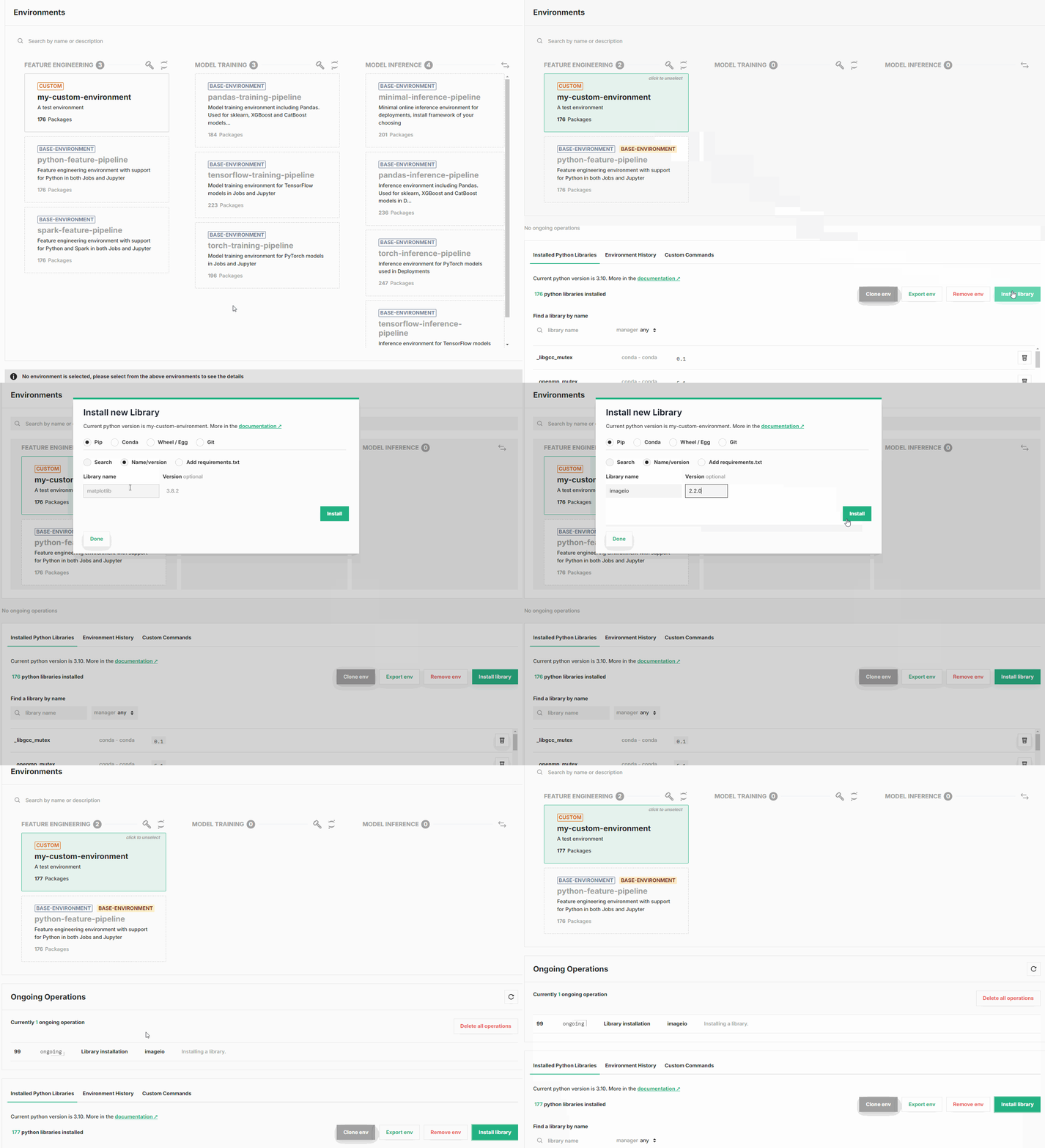
Name and version#
Enter the name and, optionally, the desired version to install.
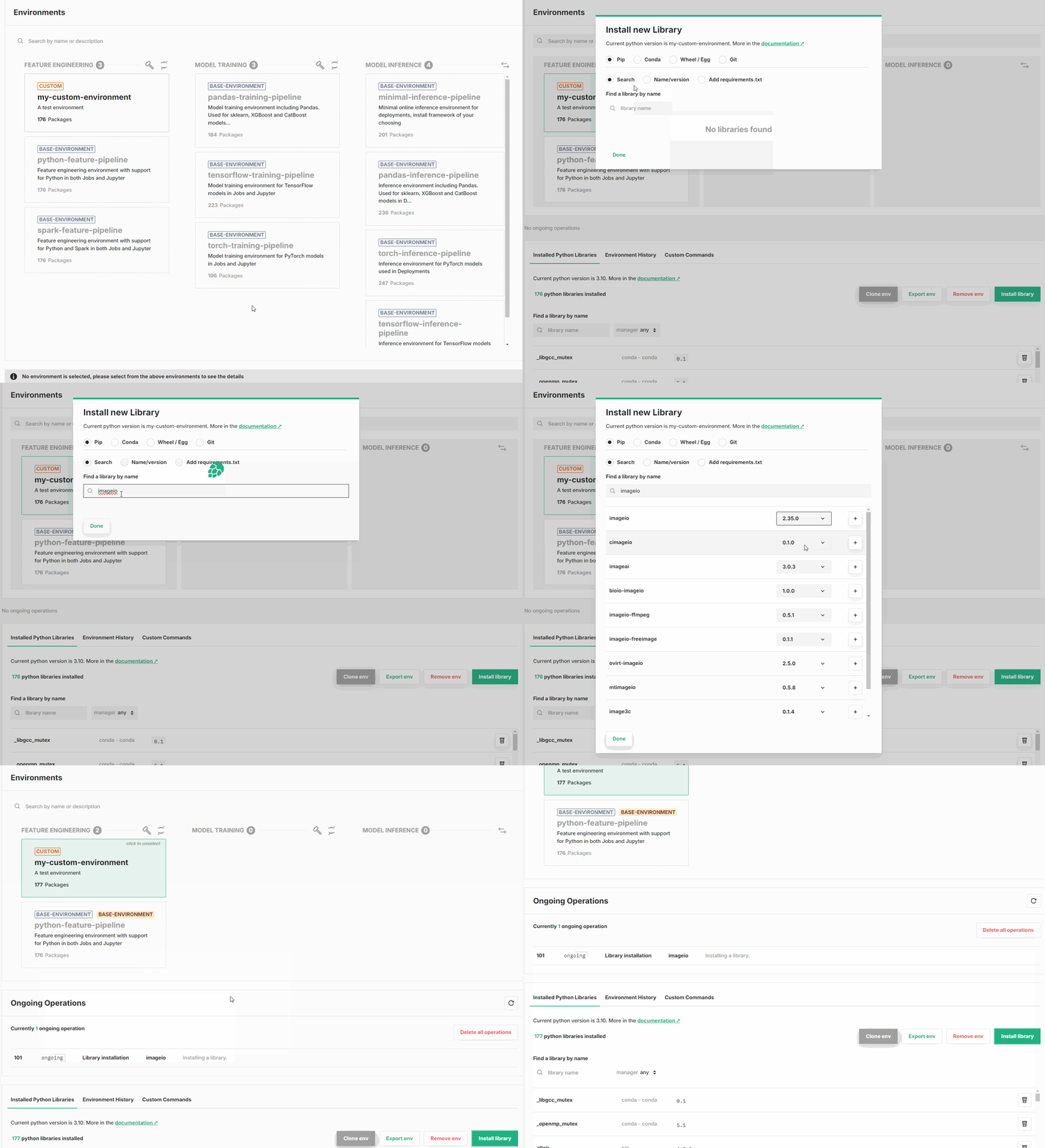
Search#
Enter the search term and select a library and version to install.
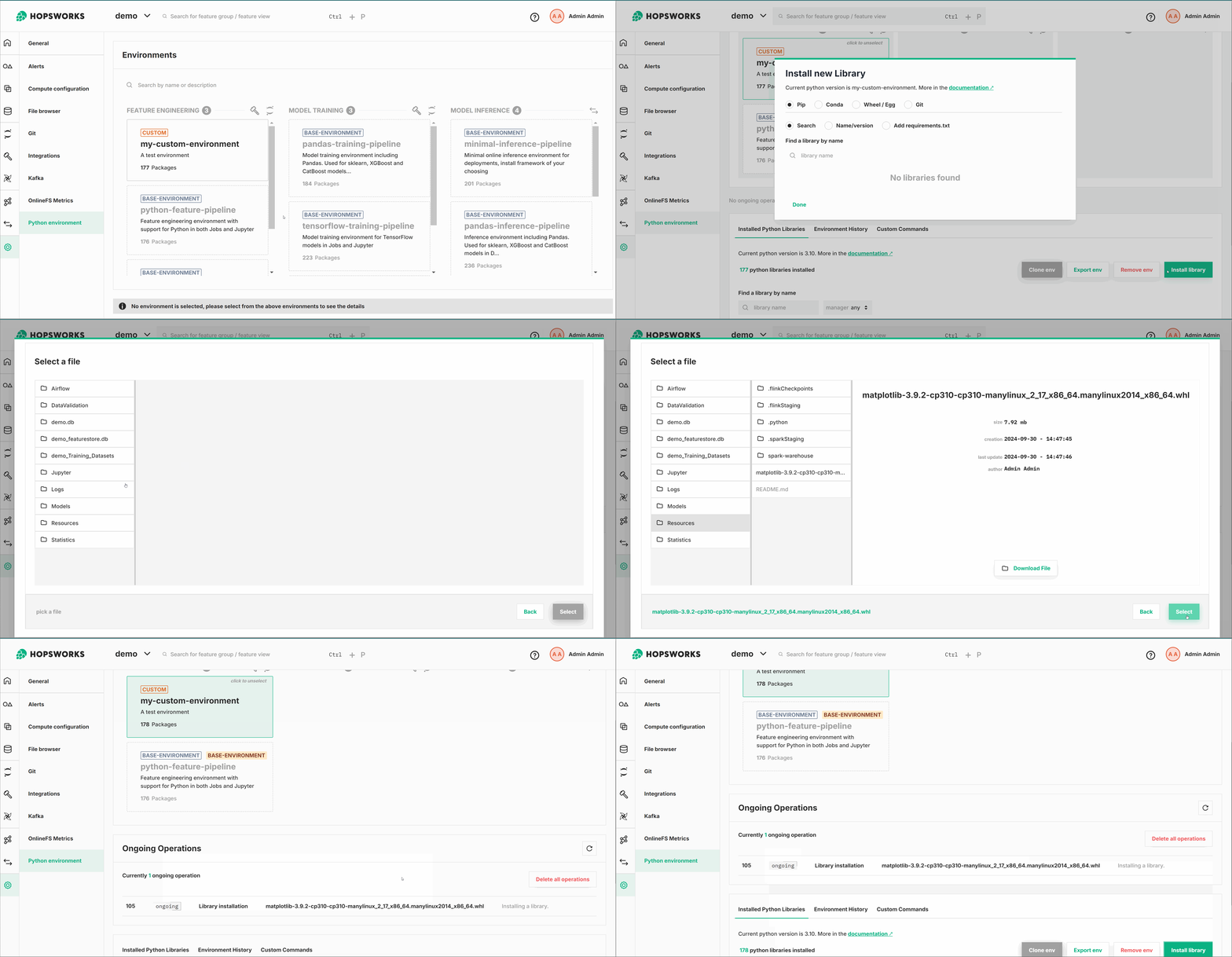
Distribution (.whl)#
Install a python package by uploading the corresponding package file and selecting it in the file browser.
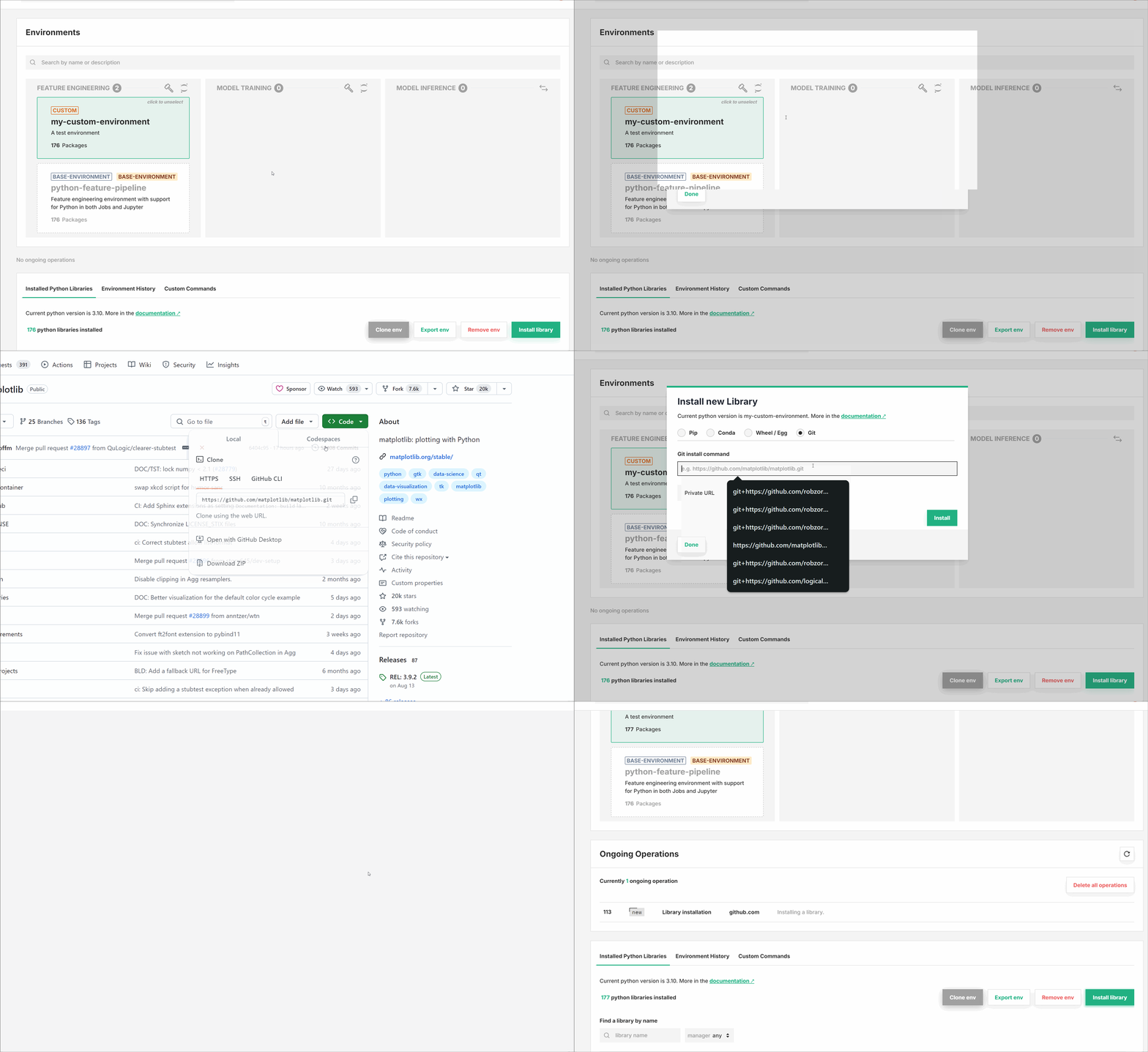
Git source#
The URL you should provide is the same as you would enter on the command line using pip install git+{repo_url}, where repo_url is the part that you enter in Git URL.
For example to install matplotlib 3.7.2, the following are correct inputs:
matplotlib @ git+https://github.com/matplotlib/matplotlib@v3.7.2
git+https://github.com/matplotlib/matplotlib@v3.7.2
In the case of a private git repository, also select whether it is a GitHub or GitLab repository and the preconfigured access token for the repository.
Keep your secrets safe
If you are installing from a git repository which is not GitHub or GitLab simply supply the access token in the URL. Keep in mind that in this case the access token may be visible in logs for other users in the same project to see.
npm packages#
Environments also carry npm packages, installed globally in the image so they are on PATH for jobs, Jupyter and the terminal. This is how you get a CLI tool or a JavaScript dependency into an environment.
Open the Installed npm Libraries tab beside the Python one and use Install npm package. Installed npm packages are listed there and can be uninstalled the same way, so an environment records what it carries rather than accumulating changes nobody can see.
What the platform accepts:
| Versions | An exact version such as 1.3.0, or a dist-tag such as latest. Ranges like ^1.0.0 are refused, because they are not reproducible. |
| Scoped names | Supported, for example @tsconfig/node20. |
| Flags | A fixed set: --ignore-scripts, --legacy-peer-deps, --no-audit, --no-fund, --no-optional, --strict-peer-deps. Anything else is refused and the message lists what is allowed. |
Installing by dist-tag records the version the tag resolved to once the build finishes, so latest becomes the concrete version in the listing rather than staying as latest.
A package the base image already ships cannot be installed over, and cannot be uninstalled. Clone an environment and install your own version there instead.
Packages come from the registry the cluster is configured to use. Ask your administrator if you need an internal registry; it is a cluster-wide setting rather than a per-environment one.
Same name in both ecosystems
A name can exist on both PyPI and npm. The two are tracked separately, so installing requests from npm does not touch the Python package of the same name, and each is listed under its own tab.
Going Further#
Now you can use the library in a Jupyter notebook or a Job.